Welcome to the New College Sports Economy
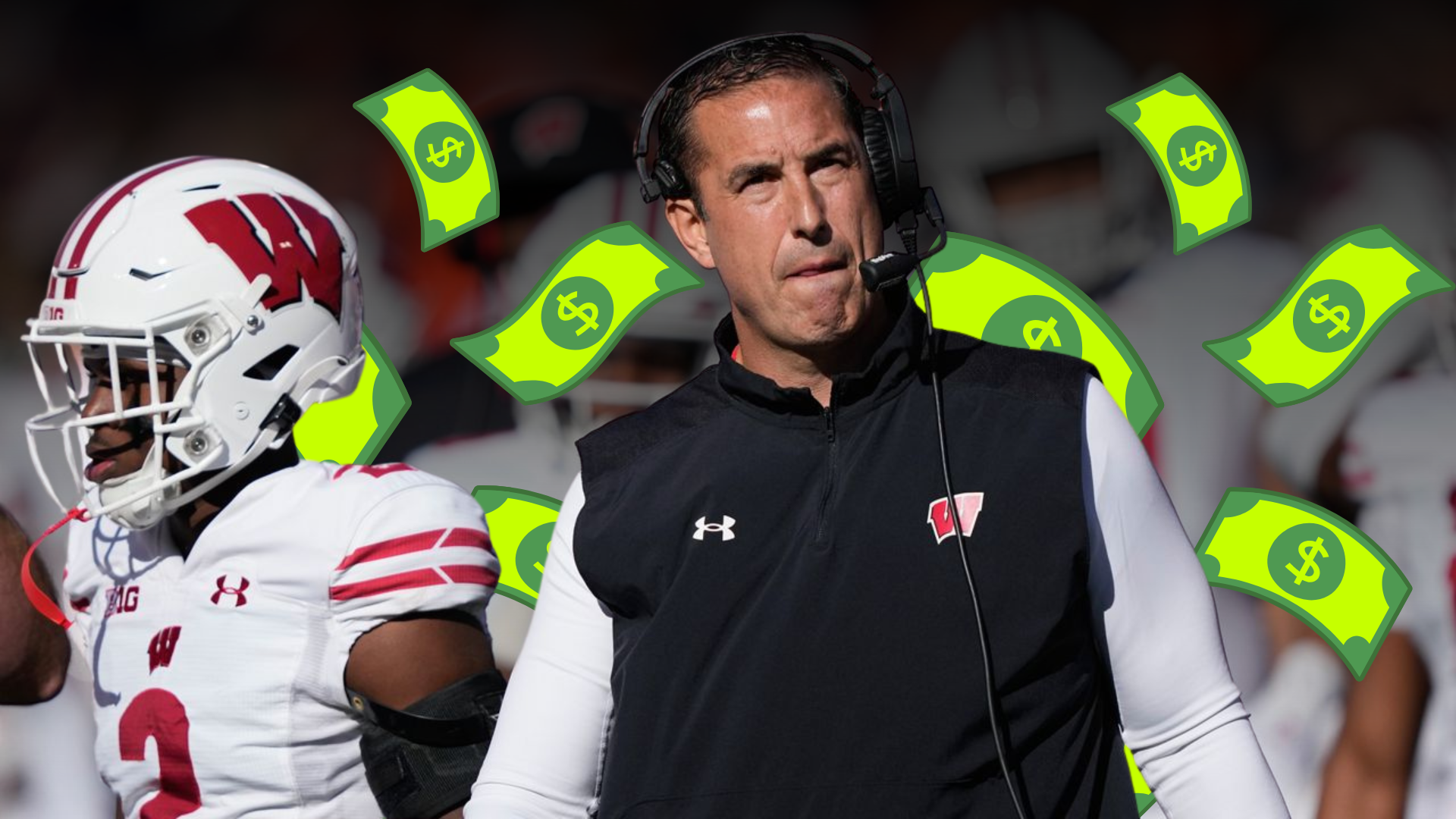
College athletics just entered its “late capitalism” era, and University of Wisconsin–Madison is staring down the kind of financial reality that used to be reserved for pro franchises with luxury tax problems.
Only this time, it’s not about dodging the second apron or managing a max contract. It’s about whether taxpayer dollars should help fund the new cost of doing business in a world where 18-year-olds can command seven-figure deals and athletic departments are suddenly expected to run payrolls.
And in Madison, that tension is boiling over.
Game Flow: How We Got Here
Let’s rewind the tape.
Back in 2021, the NCAA finally cracked open the door and allowed athletes to profit from their name, image, and likeness. What followed was less of a controlled rollout and more of a full sprint into chaos. Booster collectives popped up overnight. Recruiting turned into a bidding war. The transfer portal became free agency with vibes.
Now fast forward to 2025, where the landmark House v. NCAA settlement didn’t just tweak the system, it flipped it entirely. Schools can now directly pay athletes, with an initial cap hovering around $20.5 million per year.
That number matters. A lot.
Because for programs like Wisconsin, that’s not just a budget line item. That’s an existential shift.
Athletic director Chris McIntosh didn’t sugarcoat it when speaking to lawmakers:
“College athletics has experienced more volatility in the last five years than the previous fifty.”
Translation: everything you thought you knew about college sports finances is outdated.
The Play Call: What Assembly Bill 1034 Actually Does
Enter Assembly Bill 1034, Wisconsin’s attempt to keep pace in this new arms race.
The bill proposes:
- $14.6 million annually in state funding to UW-Madison for athletic facility maintenance and debt service
- Additional funding for UW-Milwaukee and UW-Green Bay facilities
- A statewide NIL framework, including disclosure requirements for athletes
- Confidentiality protections that would shield certain NIL deals and financial records from public view
On paper, it’s framed as a way to stabilize the system. In reality, it’s a strategic reallocation play.
The idea is simple: if the state helps cover existing costs, UW can redirect its own revenue toward paying athletes and staying competitive.
Or, put more bluntly, this is about freeing up cash to survive the NIL era without gutting the rest of the athletic department.
Star Players: Football Drives the Bus
If college athletics had a usage rate stat like the NBA, Wisconsin football would be putting up Luka numbers.
According to McIntosh, football generates roughly 80 percent of the athletic department’s revenue. That’s the engine. The lifeline. The whole operation.
But here’s the problem: football costs are exploding.
Between NIL deals, revenue sharing, and the expectation to compete nationally, the financial demands are stacking up fast. And because football subsidizes everything else, any strain there ripples across all 23 sports UW sponsors.
This isn’t just about keeping up with Ohio State or Michigan on Saturdays. It’s about whether non-revenue sports, including Olympic and women’s programs, can survive the squeeze.
McIntosh made that clear:
“The challenge of providing these additional expenses… while also sponsoring 22 additional sports at a competitive level is simply unsustainable.”
That’s not coach-speak. That’s a warning.
Turning Point: The Transparency Debate
Every big game has a moment where everything flips. For this bill, it’s the transparency clause.
One of the most controversial aspects of AB 1034 is its move to exempt certain NIL agreements and financial records from Wisconsin’s public records law.
Supporters argue it’s necessary. Other schools aren’t opening their books, and doing so would put Wisconsin at a competitive disadvantage.
Critics see it differently.
They see taxpayer money flowing into a system that suddenly becomes harder to audit. They see fewer guardrails. Less accountability. More questions.
And in an era where NIL deals can reach into the millions, those questions hit differently.
This is where the debate stops being about sports and starts being about governance. About public trust. About whether a state-funded institution should operate with private-sector secrecy.
Stats That Matter
Let’s cut through the noise and focus on the numbers shaping this entire conversation:
- $20.5 million: Estimated annual cap for direct athlete payments under the new model
- $14.6 million: Proposed yearly state funding for UW-Madison athletics
- 80%: Portion of UW athletic revenue generated by football
- $10 million+: The unofficial benchmark for elite college basketball roster spending
- $6.8 million: Estimated NIL valuation for top-tier athletes like Arch Manning
These aren’t just stats. They’re signals.
Signals that college sports is no longer operating in the same economic universe it was even three years ago.
What It Means: The Arms Race Is Official
Let’s be real. This isn’t just a Wisconsin story.
This is the new college sports landscape.
States are getting involved. Laws are being rewritten. Schools are looking for any edge they can find.
- Florida is exploring ways to free up $22.5 million annually for athlete compensation
- Arkansas has already passed laws to make NIL earnings more attractive
- California programs are preparing for full-scale revenue sharing
It’s a patchwork system, and everyone’s trying to outmaneuver everyone else.
Which raises the big question: what happens when the playing field isn’t just uneven, but entirely different depending on where you play?
Because right now, that’s exactly where we’re headed.
The Stakes: Win Now or Fall Behind
For Wisconsin, this bill isn’t about luxury. It’s about survival.
If it passes, the Badgers get breathing room. A chance to compete. A shot at keeping their entire athletic ecosystem intact.
If it doesn’t?
McIntosh didn’t mince words:
“We will be forced to reconcile our revenues with our liabilities… through a series of painful reductions.”
That’s code for cuts.
Programs. Opportunities. Scholarships. Gone.
And in a world where recruiting is already hyper-competitive, falling behind financially can quickly turn into falling behind on the field.
The Bigger Picture: Is This Still College Sports?
Here’s where things get uncomfortable.
At what point does college athletics stop being “college” athletics?
When athletes are paid directly by schools
When rosters cost eight figures
When states are allocating taxpayer money to stay competitive
We’re not asking that question in the future tense anymore. We’re living it.
And while some will argue this is long overdue, that athletes deserve their share, others are wondering if the model is drifting too far from its roots.
The truth is probably somewhere in between.
But one thing is clear: there’s no going back.
Closing Take: Welcome to the Era of Receipts
This entire situation feels like college sports finally got audited.
For years, the money was always there. Just hidden. Redirected. Rationalized.
Now it’s out in the open.
And everyone, from athletic directors to lawmakers to fans, is being forced to confront what it actually costs to compete at the highest level.
Wisconsin just happens to be one of the first programs putting that reality on the public record.
The question isn’t whether college sports will change.
It already has.
The real question is who’s willing to pay for it.
And in Madison, that answer might come straight from the taxpayers.

Trusted By Programs Across The Country