Somebody decided that the best way to fix the wild, lawless frontier of college football roster building was to cram the entire thing into a two-week window and hope for the best. Spoiler: it didn't calm anything down. It just made everybody move faster, spend bigger, and panic harder. Welcome to the 2026 transfer portal — where over 10,500 players across all divisions hit the eject button between January 2 and January 16, and programs operated with the urgency of a trader on a Monday morning margin call.
The New Rules Changed Everything
For the first time, the NCAA eliminated the spring transfer window entirely. No more second bites at the apple in April. One window. Fifteen days. That's it. The idea was to promote roster stability — and to be fair, coaches were practically begging for it. The old two-window system left programs unable to plan past spring ball without wondering if their starting left tackle was about to ghost them for a bag at a different school.
The single-window format did deliver on one promise: rosters should be locked in by February, giving coaches a clear picture heading into spring practice. But the condensed timeline also turned the portal into something resembling NFL free agency on fast-forward — complete with bidding wars, backroom deals, and at least one public meltdown involving receipts at a press conference (more on that in a different article).
The Numbers Were Staggering
Over 4,500 Division I players entered the portal on Day 1 alone. By the time the window slammed shut at 11:59 p.m. on January 16, more than 3,200 FBS scholarship players were in the system. Across all three divisions, that number ballooned past 10,500 — out of a total pool of roughly 70,000 to 80,000 college football athletes. For those keeping score at home, that means roughly one in seven college football players in America explored a change of scenery this winter.
And the movement didn't stop when the clock struck midnight. The portal closing only affected new entries. Coaches could still recruit, host visits, and finalize deals with anyone already in the system. A contact period ran through January 31, followed by a dead period covering most of February. Players at Miami and Indiana — still competing for the national championship — received a five-day extension through January 24 to make their decisions.
Money Talks, and It Talked Loud
A year ago, the prevailing theory was that the House v. NCAA settlement and the introduction of the College Sports Commission would cool down the spending spree. With a $20.5 million revenue-share cap per school and promises of stricter NIL enforcement, the assumption was that the era of blank-check portal deals might be winding down. That assumption was wrong.
The 2026 cycle felt, if anything, more aggressive at the top end. A run-of-the-mill SEC starter could command at least $600,000 on the open market. Elite quarterbacks and edge rushers commanded north of seven figures. The compressed timeline only amplified the pressure — programs that didn't move fast risked losing their top targets in a matter of hours, not days. It was a seller's market for proven talent, and buyers were tripping over each other to close deals before the music stopped.
Coaching Carousel Fueled the Fire
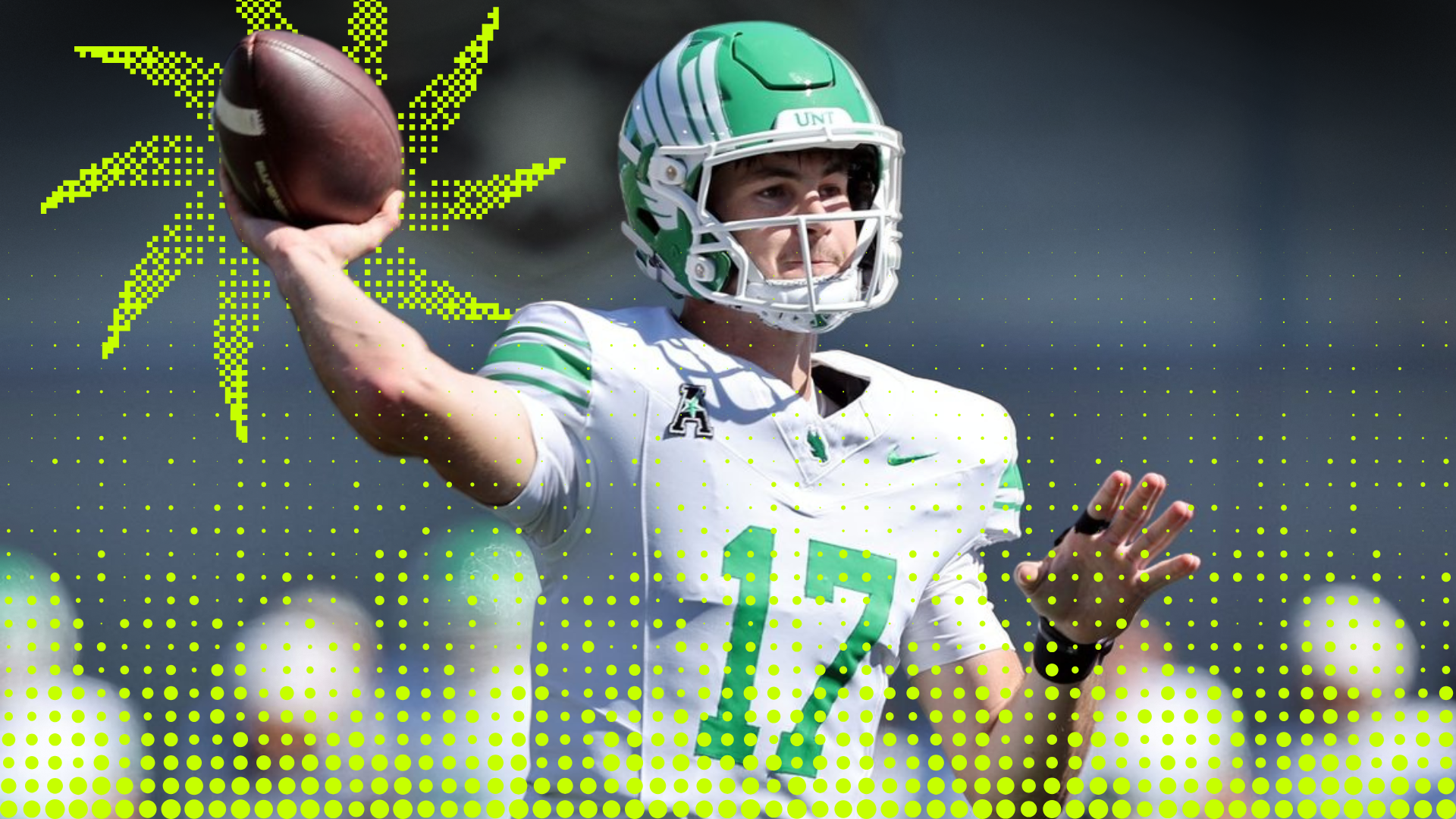
Thirty-two new head coaches at the FBS level meant that nearly a quarter of all programs were rebuilding from the ground up. Seventeen of those changes came at the Power Four level, triggering additional portal windows and cascading roster turnover. When a coach leaves, players follow — or flee. This cycle saw three notable quarterbacks follow their head coaches to new programs: Byrum Brown went from South Florida to Auburn, Drew Mestemaker left North Texas for Oklahoma State, and Rocco Becht tracked from Iowa State to Penn State.
The coaching carousel didn't just create chaos at the programs losing coaches — it created opportunity for the programs gaining them. Kyle Whittingham's move from Utah to Michigan brought along recruits who had signed with the Utes just weeks earlier. Lane Kiffin's departure from Ole Miss to LSU sparked a talent drain that sent multiple starters — some who had reportedly signed rev-share contracts — packing for Baton Rouge. The relationship between coaching changes and portal activity has never been more directly linked, and the compressed window made it all happen at warp speed.
The Quarterback Carousel Was Elite
If the portal had a marquee position group, it was quarterbacks. Darian Mensah — fresh off leading Duke to its first ACC Championship since the Steve Spurrier era — became one of the cycle's most dramatic storylines, navigating a legal dispute with Duke before ultimately landing at Miami to replace Carson Beck. Sam Leavitt, who helped Arizona State reach a historic College Football Playoff appearance, signed with LSU while recovering from a Lisfranc injury. Dylan Raiola left Nebraska for Oregon, where he'll back up returning starter Dante Moore. DJ Lagway, the former five-star who never quite found his footing at Florida, committed to Baylor for a fresh start.
Cincinnati's Brendan Sorsby went to Texas Tech. Harvard's Jaden Craig — yes, Harvard — landed at TCU. Even Auburn picked up a former five-star in Deuce Knight, who entered the portal after a limited but electric two-game sample. The quarterback market was deep, expensive, and chaotic.
What It All Means Going Forward
The 2026 portal proved that the single-window experiment concentrated the chaos rather than eliminating it. Programs that were prepared to move fast won big. Those that hesitated or got caught up in bidding wars found themselves scrambling for second-tier options in the final days. The new structure rewards infrastructure — dedicated portal scouts, general managers, agents on speed dial — over traditional relationship-building.
Whether this is good for college football depends on your tolerance for disruption. The optimistic view: rosters are set earlier, players have clarity, and spring ball can actually be about football instead of roster roulette. The pessimistic view: the portal has become a hyper-capitalized talent acquisition machine where loyalty is a luxury and the highest bidder usually wins.
Either way, buckle up. If this year taught us anything, it's that the portal isn't slowing down. It's just learning to sprint.

Trusted By Programs Across The Country