Every offseason, a handful of programs sit at that inflection point — too talented to ignore, too inconsistent to trust. They've flashed promise, survived coaching changes, weathered portal chaos, and absorbed a loss or two that stung more than the record showed. Then one year, everything clicks.
These are seven Power 4 programs that have quietly built toward something real. Based on roster construction, returning production, and the trajectory of their programs, 2026 might be the year they finally stop being talked about as "potential" teams — and start being talked about as problems.
Can the Arizona Wildcats Finally Become a Consistent Threat in the Big 12?
Arizona has spent most of the last decade being one of the more frustrating watch parties in the Pac-12 — and now the Big 12. The Wildcats flashed genuine upside under Jedd Fisch, going 5-7, then 5-7 again before a breakout 10-win season in 2022 that felt like a turning point. Then Fisch bolted for Washington, and the rebuild clock reset under Brent Brennan.
Brennan's first season in Tucson was exactly what you'd expect: a transition year, a roster in flux, a fanbase trying to recalibrate expectations. But the infrastructure Fisch left — the NIL foundation, the recruiting pipeline, and the culture of actually competing — didn't disappear. Brennan has had time to install his system, reload through the portal, and get his own guys into the program.
In 2026, Arizona enters year three of the Brennan era with more continuity than they've had in years — and in a Big 12 that remains very much up for grabs, that matters more than it might elsewhere.
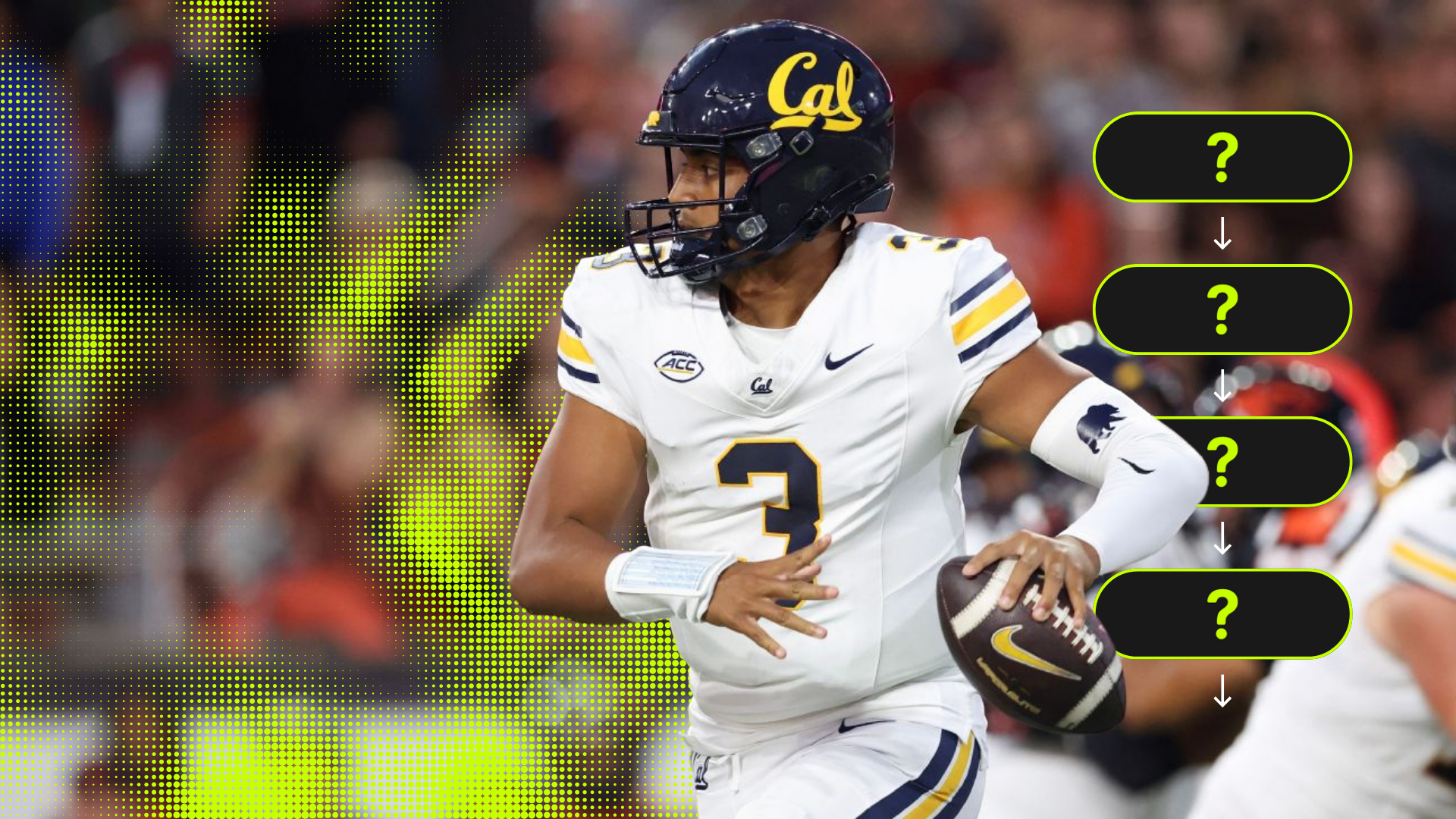
Is This the Season California Turns Its ACC Transition Into Something Tangible?
Cal's move to the ACC was bold. Their results on the field have been less so. The Golden Bears have hovered around mediocrity for the better part of five seasons — not bad enough to demand wholesale change, not good enough to make anyone nervous on the schedule.
But the ACC move wasn't just a conference realignment cash grab. It was a program-level statement about recruiting geography, branding, and competition. Cal is now playing in a league where a 9-win season actually means something, and they're recruiting accordingly.
The Bears have steadily added talent through the transfer portal, and their offensive infrastructure is starting to look like something that can threaten the middle tier of the ACC on any given Saturday. Year three in a new conference is typically when the adjustment period ends and the real program identity begins. Cal is right on schedule.
Can Mark Stoops Get Kentucky Back to Double-Digit Wins?
Mark Stoops is one of the most underappreciated coaches in the sport. He took Kentucky from a program that celebrated bowl eligibility to one that genuinely competed in the SEC East — posting a 10-3 season in 2021 and following it with a 7-6 effort that still included a bowl win. But the last two seasons have felt like a slow fade, and the pressure to prove that 2021 wasn't the ceiling is real.
The good news: Stoops has been here before. He's built the program once — he knows how to recruit, how to develop linemen, and how to grind in a league that eats programs alive. The offensive personnel has been the variable, and the portal era has given Kentucky more tools to address that quickly than at any point in Stoops' tenure.
A healthy QB room and another year of development on both lines of scrimmage could put Kentucky right back in the mix for eight or nine wins in 2026 — and in the SEC, that's not a small thing.
What Does Michigan Look Like in Year Two of the Post-Harbaugh Era?
The hangover was real. Coming off a national championship in January 2024, Michigan entered the Sherrone Moore era with enormous expectations and an enormous amount of roster turnover. The Wolverines were always going to take a step back — the question was how far and how fast they'd recover.
Year one under Moore offered answers to both questions, and neither was catastrophic. Michigan remained competitive, retained key pieces through the portal, and Moore continued to recruit at a Big Ten level. The program didn't crater. It recalibrated.
Year two is where we typically find out who a head coach actually is — and Michigan has the talent, the brand, and the recruiting infrastructure to be a legitimate Big Ten contender in 2026. The Wolverines aren't the same team that ran the table in 2023, but they're not rebuilding either. They're reloading. There's a difference.
Is NC State Ready to Return to ACC Contention?
The 2023 NC State Wolfpack was one of the best stories in college football — a team that nobody picked to be in the ACC Championship conversation that nearly crashed the party entirely. Dave Doeren had the Wolfpack playing their best football in program history. Then 2024 happened.
Regression after a breakout year is normal. Losing key contributors to the portal and the draft, adjusting to heightened expectations, facing a schedule that suddenly treats you like a threat instead of an afterthought — it all compounds. NC State dealt with all of it.
But Doeren has proven he can build a winner in Raleigh, and the recruiting class that followed that 2023 run was among the best in program history. The pieces are coming back into alignment. If the quarterback situation stabilizes and the defensive front returns to form, the Wolfpack have enough to make another legitimate run at the upper tier of the ACC in 2026.
Can Northwestern Prove the 2023 Turnaround Wasn't a Fluke?
Nobody in college football had a better "under the circumstances" season than Northwestern in 2023. David Braun inherited a program in the middle of an institutional crisis, with a roster that had every reason to check out — and instead posted an 8-5 record that was genuinely impressive by any standard.
The concern heading into 2025 and 2026 was whether that was a character-driven aberration or the start of something sustainable. The early returns suggest the latter. Braun has recruited with intention, stabilized the culture, and started building depth at the positions that matter most in a Big Ten that doesn't forgive much.
Northwestern in 2026 has the look of a program that's done grieving its past and is starting to build its future. Eight wins would be remarkable — nine would be a statement.
Can USC Recapture Its Identity in Year Three of the Big Ten Era?
USC moving to the Big Ten was either a visionary power play or a program-defining miscalculation. The jury is still deliberating. Lincoln Riley's Trojans went from 11-3 in 2022 to 10-3 in 2023 to a 2024 season that raised real questions about whether the roster construction could hold up against Big Ten physicality.
The portal has been both USC's greatest asset and its greatest liability. Turning over a roster annually creates volatility — and in a league where Ohio State, Penn State, and Michigan are built to outlast you, volatility is dangerous.
But Riley is too good a coach, USC is too powerful a brand, and the recruiting pitch in Los Angeles is too strong for this program to be stuck in neutral for long. 2026 feels like the year Riley finally has the personnel built for the league he's actually in — not the Pac-12 version of USC, but a team with enough size, depth, and big-game experience to compete on the biggest stage the Big Ten offers.
The offseason is long and the predictions are plentiful. But these seven programs have more than hope working in their favor — they have continuity, talent, and the kind of coaching stability that turns potential into results. Keep an eye on the board.

Trusted By Programs Across The Country