Seven rounds. Two hundred fifty-six picks. Three days in Pittsburgh. And for ten Power Four programs, not a single player heard their name called.
The 2026 NFL Draft wrapped up over the weekend, and while Ohio State was sending eleven players to the league and the SEC was busy setting a record with 87 total selections, a group of supposedly blue-blooded college football programs sat completely invisible. No picks. No podium moments. No highlight packages. Just silence from the commissioner's podium and a slow, uncomfortable reckoning with the state of their programs.
Colorado. North Carolina. Oklahoma State. Purdue. Syracuse. UCLA. Virginia. Virginia Tech. West Virginia. Wisconsin.
Ten Power Four schools. Zero draft picks. Combined.
How Did We Get Here?
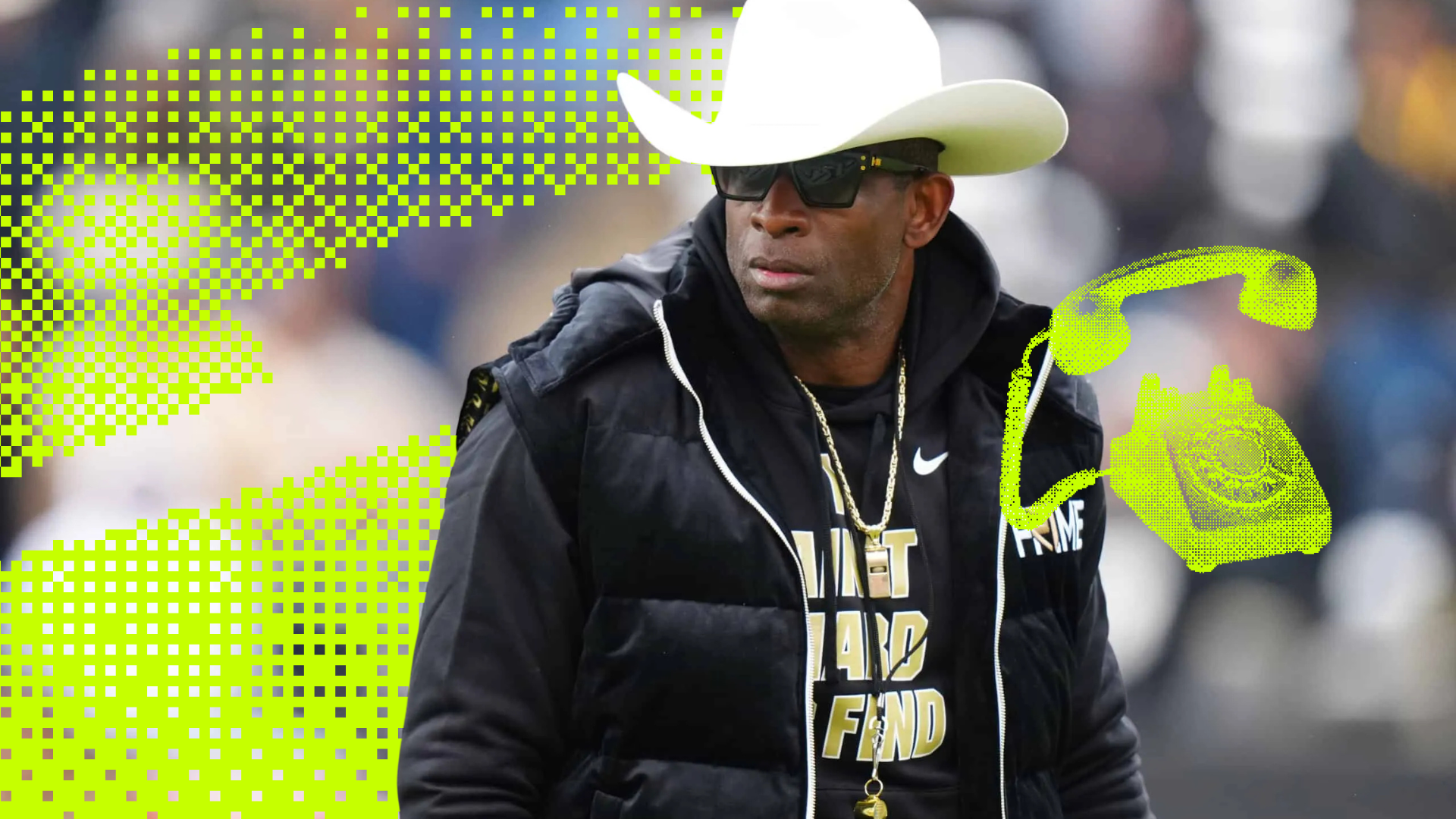
Let's start with the most headline-grabbing name on the list: Colorado and Deion Sanders.
This time last year, Coach Prime's program was the talk of the sport. Travis Hunter went second overall to Jacksonville. Shedeur Sanders, despite one of the most dramatic draft-day slides in recent memory, eventually landed with Cleveland in the fifth round. LaJohntay Wester and Jimmy Horn Jr. filled out a four-player haul that felt like validation for the whole Prime experiment.
Then came the 2025 season. Colorado went 3-9 — just 1-8 in Big 12 play — and lost all four of the players that made that draft class possible. The talent pipeline that powered the 2025 haul had walked out the door, and the replacements didn't deliver. Transfer portal quarterback Kaidon Salter threw for 1,414 yards and ten touchdowns in nine starts, but never generated serious NFL buzz. Top defensive back prospect Preston Hodge — who led the Big 12 with 13 pass breakups and tied for second nationally — was widely projected as the program's lone hope, and he came up empty too.
Deion didn't sugarcoat his frustration. Before the draft even kicked off, he was already on record saying he wasn't watching, still stewing over what happened to his family in last year's process. After all six of his players went undrafted before signing as free agents, he turned his attention to celebrating those UDFA signings on social media. Classic Prime — find the positive, feed the narrative. But the reality underneath it is harder to spin: this is the second time in three drafts that Colorado has been completely shut out, and a $54 million contract doesn't buy patience forever.
The Rest of the List Isn't Much Prettier
Oklahoma State finished 1-11 in 2025, going 0-9 in Big 12 conference play — one of the worst single-season records a Power Four program has posted in recent memory. When you lose that many games by that kind of margin, the NFL isn't calling. Simple math.
Purdue went 2-10, including an 0-9 mark in Big Ten play, which is a different kind of brutal given the level of competition. The Boilermakers have been rebuilding for years and 2025 was another step backward, not forward.
West Virginia finished 4-8 overall with a 2-7 conference record. Wisconsin matched that 4-8 overall mark, going 2-7 in Big Ten play. North Carolina and Virginia Tech both went 4-8 and 3-9 respectively in the ACC. Syracuse checked in at 3-9 as well. UCLA went 3-9 in its first full season as a Big Ten member, a rough welcome to the neighborhood.
And then there's the outlier that makes this list genuinely strange: Virginia.
The Cavaliers went 11-3 overall and 7-1 in the ACC — a legitimately excellent season by any measure. That Virginia didn't produce a single draft pick despite winning eleven games is a fascinating anomaly. It suggests a program that's winning with depth and team construction rather than individual NFL-caliber talent, which is a legitimate path to conference success but a hard ceiling when it comes to recruiting the next wave. It's the kind of season that looks great on paper and raises real questions about the ceiling of the talent base in Charlottesville.
What the Numbers Actually Say
The 2026 NFL Draft produced 256 selections from 75 different colleges. Ohio State led the nation with eleven picks. The SEC set an all-time conference record with 87 total selections. Alabama and Texas A&M each sent ten players to the NFL. Indiana — the national champion — set a new program high with eight picks.
Meanwhile, ten Power Four programs combined for zero.
That gap is not just a talent story — it's a development story, a recruiting story, and in some cases, a coaching story. The schools at the top of the draft board aren't just landing five-star recruits. They're developing them, keeping them healthy, putting them in systems that showcase NFL-translatable skills, and retaining them through the transfer portal era. The programs at the bottom of this list are failing at one or more of those things.
For Oklahoma State, the 0-9 Big 12 record tells you everything about the current state of the program's roster relative to its competition. For Purdue and Wisconsin, it's a Big Ten reality check — the conference has never been more loaded, and programs that used to coast on Midwest recruiting pipelines are getting left behind. For Colorado, it's the question that won't go away: is Deion Sanders actually building a sustainable program, or is he a star who needed star players to shine?
The Prime Question Nobody Wants to Answer
Coach Prime deserves his own paragraph here, because his situation carries stakes none of the other nine programs can match.
Sanders signed a five-year, $54 million extension in March 2025. That's an enormous financial commitment from Colorado, made on the basis of two things: the cultural moment he created and the belief that the 2025 draft class — Hunter, Shedeur, Wester, Horn — was proof of concept rather than a one-time lightning strike.
The 2025 season answered that question, at least for now, and the answer wasn't great. A 3-9 record combined with zero draft picks in 2026 is the kind of two-year stretch that would end most coaches' tenures at a Power Four school. Sanders has the contract, the personality, and the recruiting pitch that no one else in college football can replicate. But the NFL draft board is an objective measure that doesn't care about brand or buzz. Players either develop into pros or they don't.
The 2024 draft produced zero picks. The 2026 draft produced zero picks. The 2025 class was the outlier. For Prime, the clock is ticking louder than he'd probably like to admit.
What It All Means
The NFL Draft is the most honest report card in college football. You can spin a losing record. You can talk about culture, about trajectory, about what's coming. But when the draft board closes after seven rounds and your program's name was never mentioned, there's nowhere to hide.
Ten Power Four programs found that out this weekend.
Some of them — Virginia, maybe North Carolina — are rebuilding with a legitimate plan in place. Some are in genuine freefall. And one of them, Colorado, is the most watched program in college football with a Hall of Fame head coach, a massive contract, and a mounting body of evidence that the moment might be bigger than the substance underneath it.
The 2026 season starts in a few months. The transfer portal will spin. Recruiting classes will be announced. Coaches will give speeches about belief and process and what's being built.
But the 2027 draft board won't lie.

Trusted By Programs Across The Country