
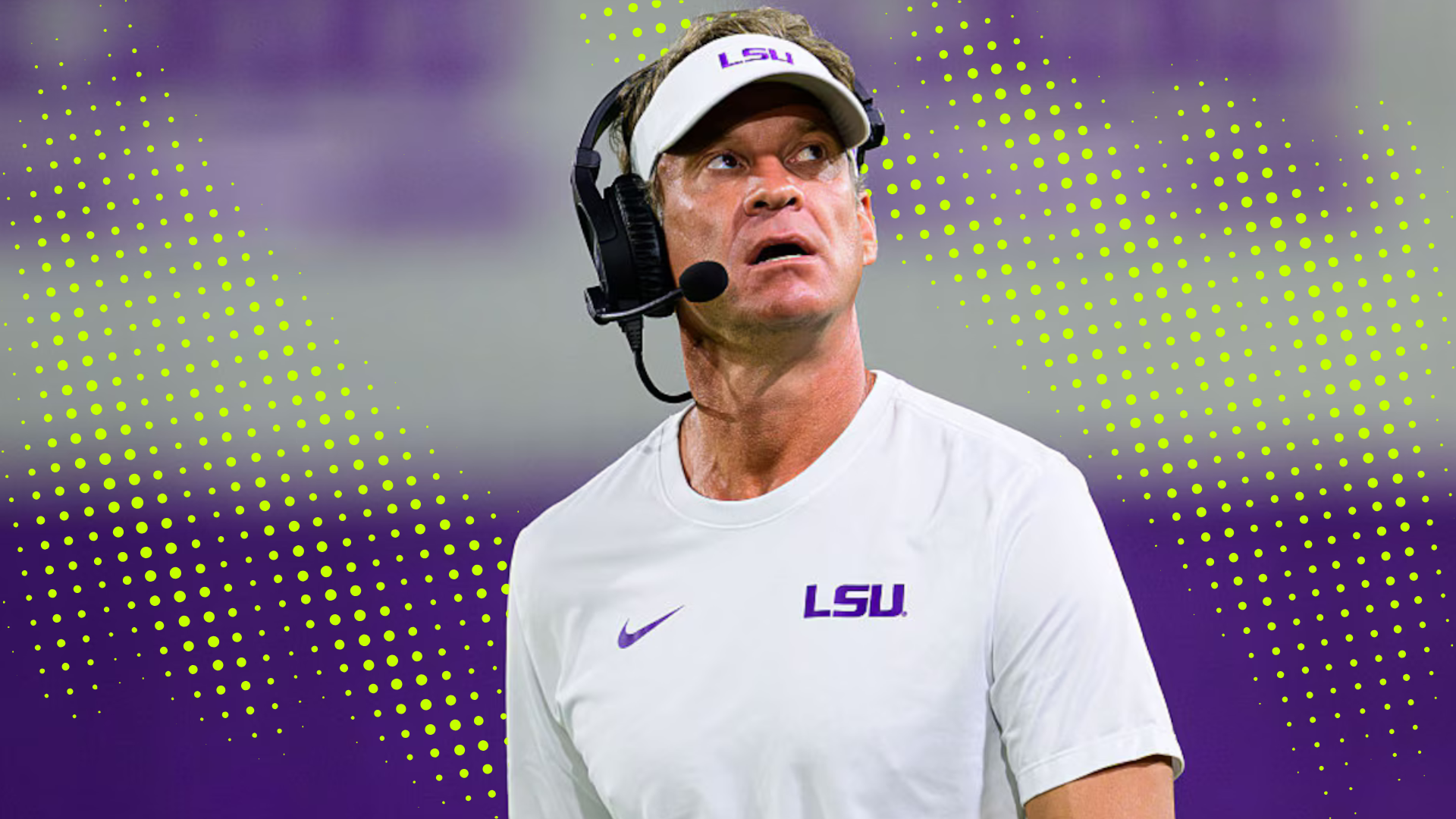
Lane Kiffin has spent the better part of a decade building a personal brand around saying the quiet part loud. It's worked — until now. A single Vanity Fair profile, four hours of candid conversation, and a handful of unguarded sentences about recruiting at Ole Miss have landed the new LSU head coach in the middle of a controversy that won't dissipate on its own. And as the SEC descended on Miramar Beach, Florida for its spring meetings this week, the man everyone wanted to talk to wasn't about his offensive scheme or his blockbuster transfer portal haul. It was about a school he no longer coaches for and a wound he apparently reopened on his way out the door.
How This Started
Earlier this month, Vanity Fair published a deep-profile piece on Kiffin by writer Chris Smith — the kind of sprawling, candid sit-down that athletes and coaches usually regret once the edits are gone and the context disappears into the headline machine. Over the course of four hours, Kiffin touched on a lot of ground. But the section that detonated was about recruiting at Ole Miss versus recruiting at LSU.
In the article, Kiffin described conversations he claims top recruits' families had with him while he was still in Oxford. The gist: some parents told him their grandparents wouldn't allow their kids to consider moving to Mississippi, citing the state's racial history. He then drew a direct contrast to Baton Rouge, relaying quotes from parents praising the diverse, inclusive feel of LSU's campus — framing it as a recruiting advantage he now gets to enjoy. The Vanity Fair piece noted that Kiffin appeared comfortable invoking Ole Miss's historical struggles to distance itself from Confederate symbols, the Colonel Rebel mascot, and the name "Ole Miss" itself — all of which the school has spent years actively trying to move past.
The reaction in Oxford was immediate and volcanic. Ole Miss fans, administrators, and former players felt the comments — regardless of who said them first — were weaponized by a coach who spent six seasons building a program there, left before the postseason, and was now using the school's most painful chapters as recruiting ammunition for a rival.
Kiffin's Defense: "I Said 'A Parent Said'"
Kiffin apologized shortly after the article dropped. Sort of. The apology was genuine enough on the surface — he expressed regret if anyone at Ole Miss or in Mississippi was offended, called the school wonderful to him and his family, and said the narrative about Mississippi's history is something coaches have always had to fight against. But he stopped well short of saying the comments themselves were wrong.
When USA Today's Matt Hayes reported that the SEC and Ole Miss officials had discussed a potential reprimand, Kiffin sharpened his stance. His argument: he was relaying what recruits' families said to him, not offering his own opinion. He wasn't editorializing. He was reporting. The gist of his position, shared directly with USA Today, was that people were misreading the attribution in the piece entirely.
It's a defensible argument — technically. But it ignores the fairly obvious reality that choosing which anecdotes to share in a major national profile is itself a choice. Kiffin didn't have to bring up Oxford's racial history in a discussion about LSU's recruiting advantages. He did. And at a school still working to reshape its identity, that context carries weight no attribution qualifier can fully neutralize.
The SEC Gets Involved
The spring meetings at the Hilton Sandestin gave the story a whole new stage. While commissioners and athletic directors wrestled with the genuinely earth-shaking questions of CFP expansion and NIL cost structures, the most magnetic figure in that windowless auditorium was Kiffin — fielding questions almost entirely about his old job.
When asked about his relationship with Ole Miss, he declined to answer, grinned, and said he had a good line ready but held it back. Maybe growth. Maybe optics. Probably both.
Commissioner Greg Sankey, for his part, wasn't laughing it off. After meeting with two of the three SEC coaches' groups on Tuesday, Sankey said publicly that people in leadership positions need to conduct themselves like leaders — in behavior and commentary alike. When pressed directly on whether Kiffin would face a fine or formal reprimand, Sankey gave the most Sankey answer imaginable: you'll find out when everyone else does.
That's not a nothing. Sankey has a track record on this. He publicly addressed the Saban-Jimbo Fisher recruiting war in 2022. He fined Kiffin $25,000 back in 2020 for a social media post that violated SEC commentary rules. The SEC bylaws are broad — they prohibit derogatory statements about another member institution and flatly forbid public criticism of conference schools. Kiffin may have a semantic argument about attribution, but the conference operates on optics and relationships, not close readings of quotation marks.
The Broader Picture: Kiffin Isn't the Only One
What makes this messier is that Kiffin isn't the only SEC coach who has taken shots at Ole Miss this offseason. Texas head coach Steve Sarkisian has made pointed remarks about the Rebels in the wake of ongoing NCAA tampering allegations, creating a secondary problem for Sankey: punishing one coach while letting another skate undermines any claim to consistency.
The perception that it's open season on Ole Miss right now — post-Kiffin departure, mid-investigation — is real, and the SEC's response (or lack thereof) will set a tone for how member schools are expected to treat each other publicly going forward. The conference's brand benefits enormously from characters like Kiffin generating attention and storylines. Disciplining the most quotable coach in the league for being too quotable is an awkward precedent to set, even when the comments genuinely stung a member institution.
At the same time, the argument for meaningful consequences is real. A public reprimand sends a message. A game suspension — say, sitting out LSU's season opener against Clemson on September 5th — would send an even louder one. Some voices around the league believe this situation warrants exactly that severity, and they have a point.
What It Actually Means
This isn't simply a PR headache for a coach who loves attention. It sits at the intersection of college football's recruiting arms race, the SEC's complicated history with race in the Deep South, and the question of what responsibilities public figures carry when they choose what to say — and what to leave out.
Ole Miss has spent years and significant institutional energy trying to evolve its identity. Those efforts are real, imperfect, and ongoing. For Kiffin to invoke that history in a national magazine profile — as a selling point for his new employer — cuts against all of it, regardless of whose words he was technically repeating. The school's administrators understand this, which is why they pushed the conversation to Sankey's desk rather than letting it fade.
Kiffin returns to Oxford on the Week 3 schedule this fall. He acknowledged at the spring meetings that he has practice going into hostile territory, referencing his brief, combustible tenure at Tennessee. Grove tailgates have a way of expressing displeasure. That game was already circled. Now it's circled twice and underlined.
The Bottom Line
Lane Kiffin built a career on being smarter than the situation and funnier than the criticism. He went 55-19 at Ole Miss, turned Oxford into a legitimate recruiting destination, and left before coaching his team through a playoff run — which is its own controversy that still hasn't fully settled. Now he's at LSU with a $91 million deal, a loaded roster, and a press conference at the SEC spring meetings that turned into a greatest-hits retrospective of his former employer.
The SEC hasn't ruled yet. Sankey will. And whatever the outcome — fine, reprimand, or silence — the real damage is already done. Kiffin's biggest challenge in Baton Rouge isn't the CFP or the transfer portal. It's proving he can be the kind of leader a flagship program requires, not just the kind of coach who wins games and generates content. Those are different jobs. He's very good at one of them. The jury is still out on the other.

Trusted By Programs Across The Country