The college football season is over. The playoff debates are dead. The trophies have been handed out. Now comes the part of the draft cycle where the tape guys argue with the stopwatch guys, and the stopwatch guys usually win.
The 2026 NFL Scouting Combine isn’t just another checkbox on the pre-draft calendar. For a handful of prospects, it’s the difference between being a name teams like and a name teams can’t stop talking about. For others, it’s a chance to confirm what scouts already believe. And for NFL fans who don’t spend Saturdays watching Pac-12 after dark or random AAC kickoffs, this is the first real introduction to players who’ll soon be everywhere.
From Feb. 26 through March 1 at Lucas Oil Stadium, Indianapolis turns into football’s strangest talent show. It’s part job interview, part track meet, part group therapy session for general managers who convince themselves a 40-yard dash solved everything.
This year’s class isn’t defined by quarterbacks. It’s defined by athletes. Freaks. Outliers. Guys who might run, jump, and lift themselves straight into a new tax bracket.
The combine basics, quickly
- Dates: Feb. 23 through March 2
- On-field workouts: Feb. 26 through March 1
- Location: Lucas Oil Stadium, Indianapolis
- TV: NFL Network
Now let’s get to the fun part.
Kenyon Sadiq might break the internet
Every combine has that one player who doesn’t just test well, but bends the math. Last year it was Nick Emmanwori. This year, all signs point to Oregon tight end Kenyon Sadiq.
At roughly 6-foot-3 and 240 pounds, Sadiq is built like a tight end but rumored to move like a wide receiver. Scouts around the league are buzzing about the possibility of him running in the 4.3s and touching a 40-inch vertical. If that happens, good luck keeping him out of the top 20 conversations.
What makes Sadiq especially intriguing is that this isn’t just a track athlete cosplaying as a football player. He blocks. He plays with real physicality. Yes, there were some drop issues on tape, but the Shannon Sharpe comparisons aren’t coming out of nowhere. If he checks the boxes physically, teams are going to start asking uncomfortable questions about how early a modern tight end should go.
This is the kind of testing that makes coordinators draw plays on napkins.
Linebackers are about to steal the show
If you’re bored of linebackers running 4.6s and being described as “solid,” you’re in luck.
Arvell Reese enters the combine with legitimate “best athlete in the draft” buzz. Scouts want to see him run and jump because the expectation is that the numbers will confirm what the tape suggests: size, length, and sideline-to-sideline range that doesn’t make sense. There’s quiet optimism that his 40 time could turn heads in a hurry.
Sonny Styles is a different flavor of chaos. A converted safety standing 6-foot-4 and pushing 250 pounds, Styles doesn’t offer the same pure pass-rush juice as Reese, but his athletic ceiling is tantalizing. Some evaluators believe he could test similarly to Tremaine Edmunds back in 2018, which is draft-cycle catnip. He’s one of those players where, if the jumps and agility drills hit, teams will suddenly see him as a movable chess piece rather than a traditional linebacker.
Then there are the sleepers. Alabama’s Justin Jefferson and Cincinnati’s Jake Golday are both expected to fly. These are the guys who live on the Day 2 or Day 3 fringe right now, but a blazing 40 can flip a scouting report upside down. Linebacker is a position where athletic confirmation matters, and this group is ready to cash in.
Jeremiyah Love and the RB revival tour
Running backs are back in the first-round conversation, whether the analytics crowd likes it or not. And Jeremiyah Love is a huge reason why.
At nearly 220 pounds, Love isn’t just expected to test well. He’s expected to dominate. Speed, explosion, strength, it’s all there. If he checks every box, teams will stop whispering and start openly debating how early is too early.
In a league that increasingly values backs who can do everything, Love’s ability to combine size with movement is exactly what coaches dream about. This isn’t just about a fast 40. This is about showing he can jump, lift, and move like a true every-down weapon. A monster combine would lock him into Round 1 territory and maybe push him even higher than people are comfortable admitting right now.
Wide receivers: someone is chasing 4.2
Every year, wide receivers turn the combine into a race. This year might be faster than usual.
Mississippi State’s Brennan Thompson is the headliner. He’s small, he’s explosive, and he’s expected to live somewhere in the 4.2 range. If he does that, he instantly becomes the fastest player in the class and forces teams to reconsider how much value pure speed still holds.
Georgia’s Zachariah Branch should land in the low 4.3s, which is more than enough to make defensive backs sweat. Kansas’s Emmanuel Henderson Jr. is also expected to be right there, reinforcing that this receiver class has burners at every tier.
The key for this group isn’t just speed. It’s confirmation. Teams want to know if the “he’s fast” label is real or just college spacing doing the work. Indy answers that question in under five seconds.
Offensive linemen with something to prove
Among the big men, Utah’s Caleb Lomu might be the most fascinating watch.
Lomu is the reason Spencer Fano played right tackle. He looks like he was built in a lab to protect a quarterback’s blind side, but he’s raw. Teams know the upside is massive. What they want to see now is whether the movement skills match the frame. If Lomu runs, jumps, and lifts the way scouts hope, he could rocket into the top-40 conversation and maybe higher.
There’s also a strong supporting cast. Alabama’s Kadyn Proctor has the pedigree and athletic profile teams love, even if many believe he eventually slides to right tackle or guard. Georgia’s Monroe Freeling has been climbing boards quickly, and a strong week in Indy could push him firmly into Round 1 discussions. Arizona State’s Max Iheanachor might be the most interesting story of the group, a raw but wildly athletic prospect whose background spans multiple sports and continents. If he tests well, teams will start talking themselves into the upside.
And don’t sleep on Iowa center Logan Jones. He’s not Tyler Linderbaum, but he’s cut from the same cloth. Expect strong movement drills, excellent shuttles, and a quiet rise up boards as teams remember how much they trust that program’s linemen.
The wide-open rooms: RBs and DBs
Running back and defensive back feel especially fluid this year.
Nebraska’s Emmett Johnson and Arkansas’s Mike Washington Jr. are both sitting in that dangerous zone where a great combine can completely change their draft destiny. They’re currently viewed as Day 2 or Day 3 players, but if they light up the testing, someone will convince themselves they found value early.
On the defensive back side, Purdue safety Dillon Thieneman and Tennessee corner Colton Hood are the names to watch. Both have the chance to climb into top-50 conversations with strong testing. DB is always a position where speed and agility matter, and teams are constantly looking for the next versatile coverage piece.
And yes, about the quarterbacks
You probably noticed something missing. That’s not an accident.
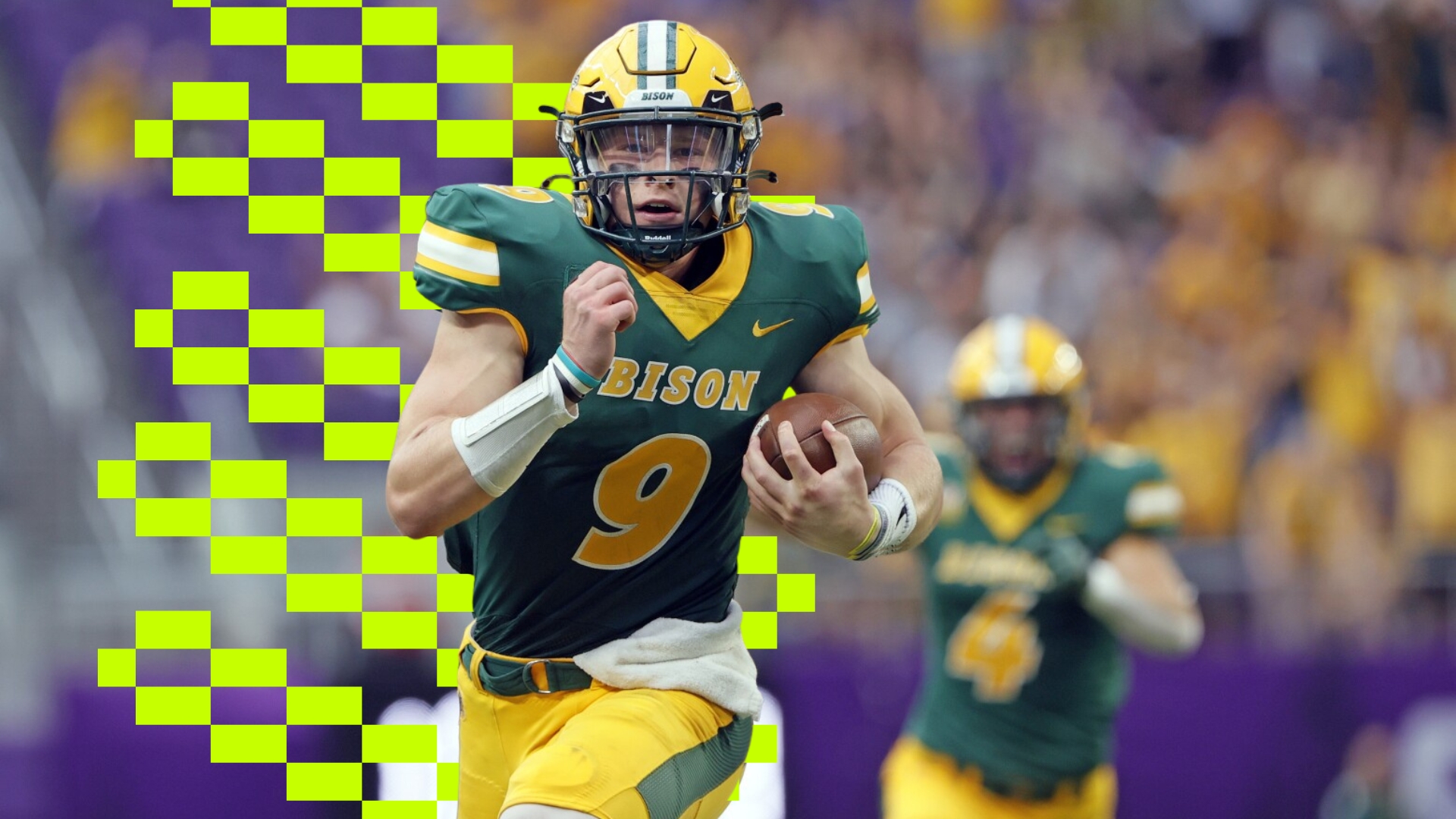
This isn’t a quarterback-driven combine. That’s the reality of the class. But there is one name worth tracking: North Dakota State’s Cole Payton. He’s rugged, physical as a runner, and now needs to prove that athleticism translates at the NFL level. No one is expecting fireworks, but solid testing could move him from curiosity to legitimate developmental option.
Sometimes the goal isn’t to steal headlines. It’s to quietly help yourself.
What this combine really means
The 2026 combine is about separation. Not just between prospects, but between tiers. It’s about confirming freakish traits, validating upside bets, and exposing where tape optimism runs into athletic reality.
Some players will leave Indianapolis richer. Others will leave with uncomfortable questions. That’s the deal.
By the time free agency hits, at least five draft boards will be completely rewritten. A few new names will crash the top 20. And someone will convince themselves that a vertical jump answered a franchise problem.
That’s combine season. And it’s almost time.

Trusted By Programs Across The Country