College football's NIL valuations used to feel like Monopoly money — fun to talk about, hard to verify, and mostly meaningless beyond bragging rights. Not anymore. In 2026, NIL valuations are essentially salary disclosures, and the numbers heading into the offseason read like an NBA free agency tracker. We're talking seven-figure deals for quarterbacks who haven't taken a snap in the NFL, receivers landing shoe contracts before they can legally rent a car, and offensive linemen — yes, offensive linemen — pulling down valuations that would make some mid-level pros jealous.
Here's a look at who's sitting at the top of college football's money mountain heading into 2026.
Arch Manning — $5.4 Million
Surprise, surprise. The Manning name carries weight that transcends football, and Arch has leveraged it into the single most valuable NIL portfolio in the sport. His partnerships with EA Sports and Panini America alone would make most marketing agencies weep with envy. But what makes Manning's valuation unique is its foundation — it's built more on legacy brand power and scarcity than Instagram followers or TikTok dances. He posted 2,942 passing yards and 32 touchdowns last season in Austin, and with two years of eligibility remaining, he's not just the most valuable player in college football. He's the most valuable college athlete, period.
Jeremiah Smith — $4.2 Million
If Manning is the brand, Smith is the highlight reel. Ohio State's generational wide receiver earned unanimous All-American honors after back-to-back thousand-yard seasons, and his $4.2 million valuation makes him the most valuable non-quarterback in college football history. The crown jewel of his portfolio is a co-cover spot on College Football 26, the kind of deal that turns a great player into a cultural figure. With 80 receptions, 1,086 yards, and 12 touchdowns last season, Smith's on-field production backs up every dollar. He's expected to play his final season in Columbus, and Ohio State is going to squeeze every ounce of value out of it.
Sam Leavitt — $4 Million
The transfer portal's biggest financial winner this cycle didn't come from a blue blood — he went to one. Leavitt's commitment to LSU saw his valuation explode to $4 million, a testament to what happens when elite talent meets an elite brand. The Tigers have been aggressive in the portal, and Leavitt's deal signals that LSU is treating roster construction like an NFL front office with a blank check. Baton Rouge has never been short on ambition, and Leavitt's price tag is proof that the program is all-in on competing for a national title in 2026.
Cam Coleman — $2.9 Million
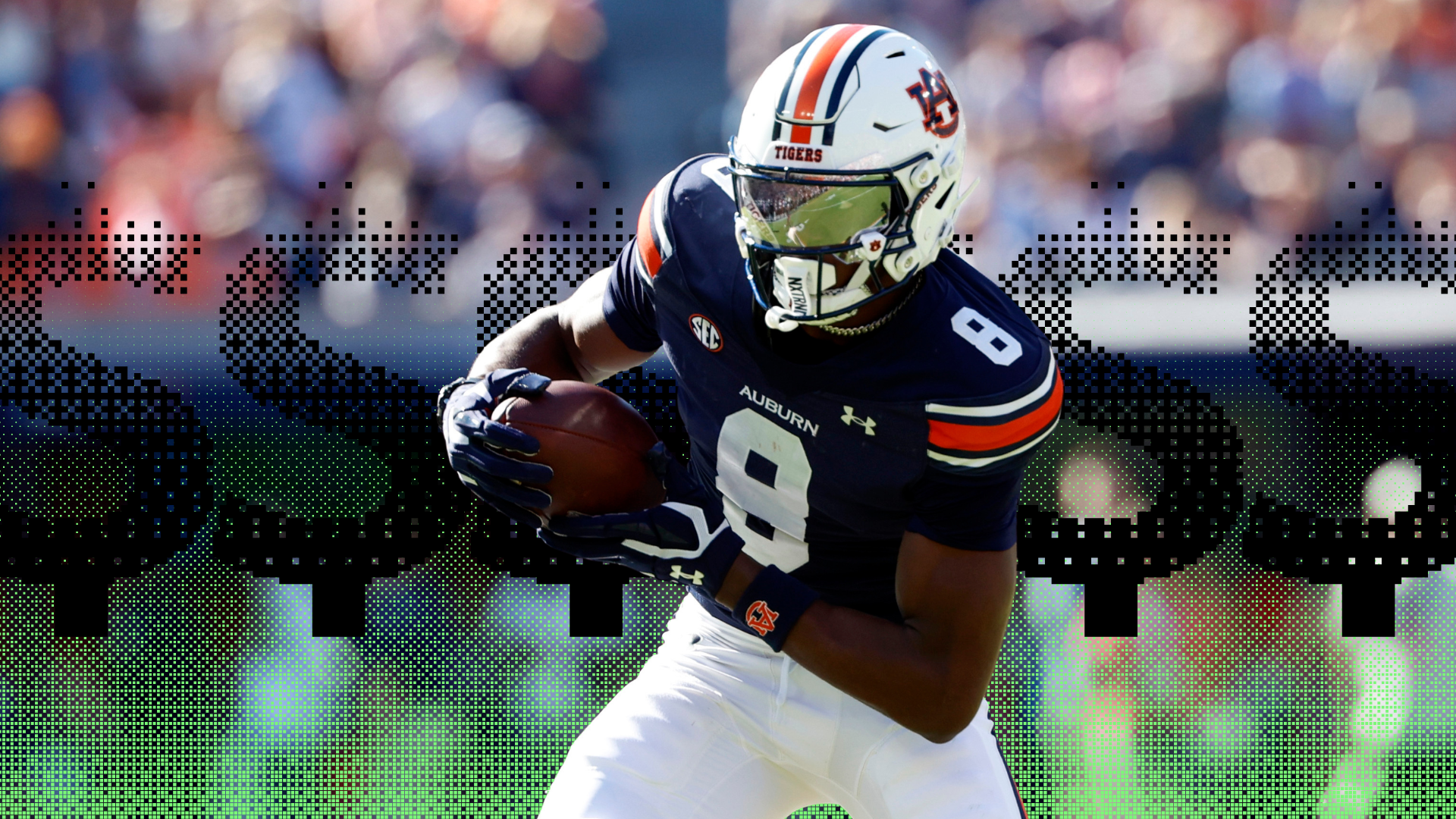
Coleman is the textbook example of how the transfer portal can supercharge a player's earning potential overnight. After transferring from Auburn to Texas, his valuation jumped nearly $1 million. Playing alongside Arch Manning in Austin has created what analysts are calling a 'super-roster effect' — when you're catching passes from the most marketable quarterback in the country, brands come knocking harder. Coleman already had partnerships with Nike, SeatGeek, and now Crocs. He's the second-most valuable receiver in the sport, and he hasn't even suited up for the Longhorns yet. Austin's luxury endorsement market is about to have a field day.
John Mateer — $2.8 Million
Oklahoma's new signal-caller made history as the highest-paid player in Sooners history when his valuation hit $2.8 million. His partnership with Beats by Dre remains one of the most visible solo campaigns in the SEC, and the combination of his on-field production (2,885 passing yards, 19 touchdowns) and marketability has made him a cornerstone of Oklahoma's rebuild. The Sooners needed a face of the program, and they got one with a built-in endorsement portfolio.
Drew Mestemaker — $2.5 Million
Here's a name that wasn't on anyone's radar 12 months ago. Mestemaker led the entire FBS in passing yards last season with 4,379 and 34 touchdowns at North Texas, and when head coach Eric Morris left for Oklahoma State, the quarterback followed. His $2.5 million valuation makes him the fourth-most valuable portal entrant in the 2026 cycle. For a Cowboys offense that ranked 116th in passing last season, Mestemaker isn't just an upgrade — he's a complete overhaul. Sometimes the best NIL investments aren't the five-star recruits. They're the guys who produce at an elite level and just needed a bigger stage.
The Bigger Picture
What's striking about the 2026 NIL rankings isn't just the dollar amounts — it's the diversity of paths to the top. You've got legacy brands like Manning, generational talents like Smith, portal risers like Coleman and Mestemaker, and program cornerstones like LaNorris Sellers ($4M at South Carolina) who turned down outside interest to stay put. The NIL market is maturing, and it's starting to reward production and marketability in equal measure.
The days of NIL being a novelty are over. This is the new economy of college football, and the players at the top of these rankings aren't just athletes — they're businesses. Act accordingly.
Follow CFB Alerts on Instagram for more NIL coverage and college football news.

Trusted By Programs Across The Country