Blog / Article
Warde Manuel Is Stepping Down as Michigan's Athletic Director — Here's the Fallout from the $12 Million Report That Ended His Tenure
Warde Manuel Is Stepping Down as Michigan's Athletic Director — Here's the Fallout from the $12 Million Report That Ended His Tenure
C
CFB Team
July 20, 2026
Sponsored by

Ann Arbor doesn't do quiet news days anymore. Not since December, not since a firing turned into handcuffs turned into felony charges, and definitely not since Monday, when University of Michigan President Domenico Grasso stood in front of a camera and confirmed what had been building for months: Warde Manuel, the man who's run Michigan Athletics since 2016, is stepping down at the end of the calendar year.
This isn't a resignation born out of nowhere. It's the ending chapter of a saga that started with Sherrone Moore's stunning December firing and has since metastasized into a full-blown institutional reckoning — one that reportedly cost the university north of $12 million to investigate and left Michigan searching for a new football coach, a new men's basketball coach, and now a new athletic director, all within a 13-month window. If you're keeping score at home, that's a level of front-office turnover most programs don't see in a decade.
HOW WE GOT HERE
Let's rewind. On December 10, 2025, Michigan fired head football coach Sherrone Moore for cause, citing an "inappropriate relationship" with his executive assistant, Paige Shiver. What could've been a contained scandal exploded almost immediately — later that same day, Moore was arrested and eventually hit with three charges, including a felony count of home invasion, after allegedly showing up at Shiver's home and blaming her for his firing. He pleaded no contest in April and was sentenced to 18 months' probation.
That's the kind of story that, on its own, would dominate a news cycle for weeks. But Michigan didn't stop there. The university brought in Chicago law firm Jenner & Block to dig into Moore's conduct specifically, and then — smartly, or defensively, depending on how you want to read it — expanded that investigation into a full culture review of the entire athletic department. Not just "what happened," but "how did this happen, and who let it."
Seven months, 350 interviews, nearly 300 witnesses, more than 90 hotline tips, and 20,000-plus reviewed documents later, the answer landed on Manuel's desk. And it wasn't kind.
THE REPORT THAT ENDED AN ERA
Here's the thing about Manuel's exit: nobody's accusing him of the misconduct itself. The review was explicit that wrongdoing wasn't "widespread" throughout the department. But it also found — in language that reads a lot more damning than it sounds on first pass — "weaknesses in accountability, organizational structure, oversight, and reporting" that let problems fester instead of getting handled.
Translation: the guy in charge of catching fires didn't catch this one in time. Worse, according to a Wall Street Journal report that leaked ahead of the official findings, Manuel had actually flagged a concern — reportedly sending Moore a note about traveling with Shiver back in August 2024, more than a year before the firing. That detail alone reframes the entire timeline. This wasn't a blind spot. Somebody saw smoke and didn't call it in as fire.
The official university language was almost generous by comparison: Manuel "demonstrated important leadership strengths, particularly his commitment to student-athletes," but the department under his watch "identified failures to quickly and effectively act on allegations of wrongdoing." That's the corporate-speak version of "he built the house, but he didn't fix the leaks."
THE NUMBERS THAT ACTUALLY MATTER
Strip away the statement-speak and a few figures do the real talking here. Eleven years is how long Manuel ran the department — since January 2016, when he came over from UConn to replace interim AD Jim Hackett, the guy who, fittingly, had just hired Jim Harbaugh. In that stretch, Michigan won national championships in football, men's basketball, and both men's and women's gymnastics. That's a résumé most ADs would kill for.
But résumés don't survive $12 million investigations unscathed. And less than two years ago, Manuel signed a five-year extension through 2030 worth roughly $2.4 million annually. The fact that he's walking away 40-plus months early — and reportedly staying on as a "special advisor to the president" rather than getting shown the door outright — strongly suggests a negotiated exit, buyout included, even though the university hasn't disclosed terms. When your contract calls for 36 months of severance if you're fired, "stepping down" starts to look like the mutually preferable option for everyone involved.
THE TURNING POINT
If there's one moment that decided Manuel's fate, it wasn't the initial Moore firing — it was the WSJ report surfacing that August 2024 note. Before that, this was a story about a rogue coach who made a catastrophic personal decision. After it, this became a story about institutional knowledge, about who knew what and when, and about a department that had already weathered a signal-stealing scandal (hello, Connor Stalions) and the federal indictment of former assistant Matt Weiss. Three scandals in a handful of years isn't bad luck. It's a pattern. And patterns get leadership changed.
WHAT IT MEANS GOING FORWARD
Michigan now enters uncharted territory: a national search for a new athletic director, layered on top of an already-unsettled football program and a men's basketball job that reopened after Dusty May bolted for the NBA — just months removed from cutting down nets for a national title. Grasso has pledged reforms around compliance, oversight, and reporting structure, including a new Ethics, Integrity, and Compliance Office. Whoever takes over will inherit not just a talented, tradition-rich department, but a rebuilding job in the truest sense — one that has nothing to do with X's and O's and everything to do with rebuilding trust.
For a program that spent the last decade selling itself on "The Team, The Team, The Team," the athletic department just spent seven months and eight figures finding out the team wasn't the problem. Leadership was. And now Michigan has to hire someone who can be both — a steward of the brand and someone willing to make the uncomfortable calls Manuel apparently didn't make fast enough.
CLOSING TAKE
Warde Manuel didn't get fired. He got outlasted — by a report, by a timeline, and by a university that decided optics and accountability mattered more than eleven years of loyalty and championship banners. In college athletics in 2026, that's not even a plot twist anymore. It's just Tuesday. The only real question left in Ann Arbor is whether the next person in that chair learns the lesson Manuel apparently didn't: see the smoke, call it in immediately, because in this job, "I didn't know" and "I knew and waited" cost you the exact same thing in the end.
Ann Arbor doesn't do quiet news days anymore. Not since December, not since a firing turned into handcuffs turned into felony charges, and definitely not since Monday, when University of Michigan President Domenico Grasso stood in front of a camera and confirmed what had been building for months: Warde Manuel, the man who's run Michigan Athletics since 2016, is stepping down at the end of the calendar year.
This isn't a resignation born out of nowhere. It's the ending chapter of a saga that started with Sherrone Moore's stunning December firing and has since metastasized into a full-blown institutional reckoning — one that reportedly cost the university north of $12 million to investigate and left Michigan searching for a new football coach, a new men's basketball coach, and now a new athletic director, all within a 13-month window. If you're keeping score at home, that's a level of front-office turnover most programs don't see in a decade.
HOW WE GOT HERE
Let's rewind. On December 10, 2025, Michigan fired head football coach Sherrone Moore for cause, citing an "inappropriate relationship" with his executive assistant, Paige Shiver. What could've been a contained scandal exploded almost immediately — later that same day, Moore was arrested and eventually hit with three charges, including a felony count of home invasion, after allegedly showing up at Shiver's home and blaming her for his firing. He pleaded no contest in April and was sentenced to 18 months' probation.
That's the kind of story that, on its own, would dominate a news cycle for weeks. But Michigan didn't stop there. The university brought in Chicago law firm Jenner & Block to dig into Moore's conduct specifically, and then — smartly, or defensively, depending on how you want to read it — expanded that investigation into a full culture review of the entire athletic department. Not just "what happened," but "how did this happen, and who let it."
Seven months, 350 interviews, nearly 300 witnesses, more than 90 hotline tips, and 20,000-plus reviewed documents later, the answer landed on Manuel's desk. And it wasn't kind.
THE REPORT THAT ENDED AN ERA
Here's the thing about Manuel's exit: nobody's accusing him of the misconduct itself. The review was explicit that wrongdoing wasn't "widespread" throughout the department. But it also found — in language that reads a lot more damning than it sounds on first pass — "weaknesses in accountability, organizational structure, oversight, and reporting" that let problems fester instead of getting handled.
Translation: the guy in charge of catching fires didn't catch this one in time. Worse, according to a Wall Street Journal report that leaked ahead of the official findings, Manuel had actually flagged a concern — reportedly sending Moore a note about traveling with Shiver back in August 2024, more than a year before the firing. That detail alone reframes the entire timeline. This wasn't a blind spot. Somebody saw smoke and didn't call it in as fire.
The official university language was almost generous by comparison: Manuel "demonstrated important leadership strengths, particularly his commitment to student-athletes," but the department under his watch "identified failures to quickly and effectively act on allegations of wrongdoing." That's the corporate-speak version of "he built the house, but he didn't fix the leaks."
THE NUMBERS THAT ACTUALLY MATTER
Strip away the statement-speak and a few figures do the real talking here. Eleven years is how long Manuel ran the department — since January 2016, when he came over from UConn to replace interim AD Jim Hackett, the guy who, fittingly, had just hired Jim Harbaugh. In that stretch, Michigan won national championships in football, men's basketball, and both men's and women's gymnastics. That's a résumé most ADs would kill for.
But résumés don't survive $12 million investigations unscathed. And less than two years ago, Manuel signed a five-year extension through 2030 worth roughly $2.4 million annually. The fact that he's walking away 40-plus months early — and reportedly staying on as a "special advisor to the president" rather than getting shown the door outright — strongly suggests a negotiated exit, buyout included, even though the university hasn't disclosed terms. When your contract calls for 36 months of severance if you're fired, "stepping down" starts to look like the mutually preferable option for everyone involved.
THE TURNING POINT
If there's one moment that decided Manuel's fate, it wasn't the initial Moore firing — it was the WSJ report surfacing that August 2024 note. Before that, this was a story about a rogue coach who made a catastrophic personal decision. After it, this became a story about institutional knowledge, about who knew what and when, and about a department that had already weathered a signal-stealing scandal (hello, Connor Stalions) and the federal indictment of former assistant Matt Weiss. Three scandals in a handful of years isn't bad luck. It's a pattern. And patterns get leadership changed.
WHAT IT MEANS GOING FORWARD
Michigan now enters uncharted territory: a national search for a new athletic director, layered on top of an already-unsettled football program and a men's basketball job that reopened after Dusty May bolted for the NBA — just months removed from cutting down nets for a national title. Grasso has pledged reforms around compliance, oversight, and reporting structure, including a new Ethics, Integrity, and Compliance Office. Whoever takes over will inherit not just a talented, tradition-rich department, but a rebuilding job in the truest sense — one that has nothing to do with X's and O's and everything to do with rebuilding trust.
For a program that spent the last decade selling itself on "The Team, The Team, The Team," the athletic department just spent seven months and eight figures finding out the team wasn't the problem. Leadership was. And now Michigan has to hire someone who can be both — a steward of the brand and someone willing to make the uncomfortable calls Manuel apparently didn't make fast enough.
CLOSING TAKE
Warde Manuel didn't get fired. He got outlasted — by a report, by a timeline, and by a university that decided optics and accountability mattered more than eleven years of loyalty and championship banners. In college athletics in 2026, that's not even a plot twist anymore. It's just Tuesday. The only real question left in Ann Arbor is whether the next person in that chair learns the lesson Manuel apparently didn't: see the smoke, call it in immediately, because in this job, "I didn't know" and "I knew and waited" cost you the exact same thing in the end.
Share this story
C
CFB Team
CFB Team
The most trusted college football team.
The most trusted college football team.
More College Football Stories
More College Football Stories

CFB
September 23, 2026
Judge Frees Indiana's Stephen Daley and Kellan Wyatt, Cole Hutson Wins Again: College Football's Eligibility War Moves to County Courthouses
Judge Frees Indiana's Stephen Daley and Kellan Wyatt, Cole Hutson Wins Again: College Football's Eligibility War Moves to County Courthouses

CFB
September 21, 2026
Dave Doeren Owns NC State's Intentional Safety Disaster as the 1,046-1 Fumble at Vanderbilt Refuses to Fade
Dave Doeren Owns NC State's Intentional Safety Disaster as the 1,046-1 Fumble at Vanderbilt Refuses to Fade
CFB
September 19, 2026
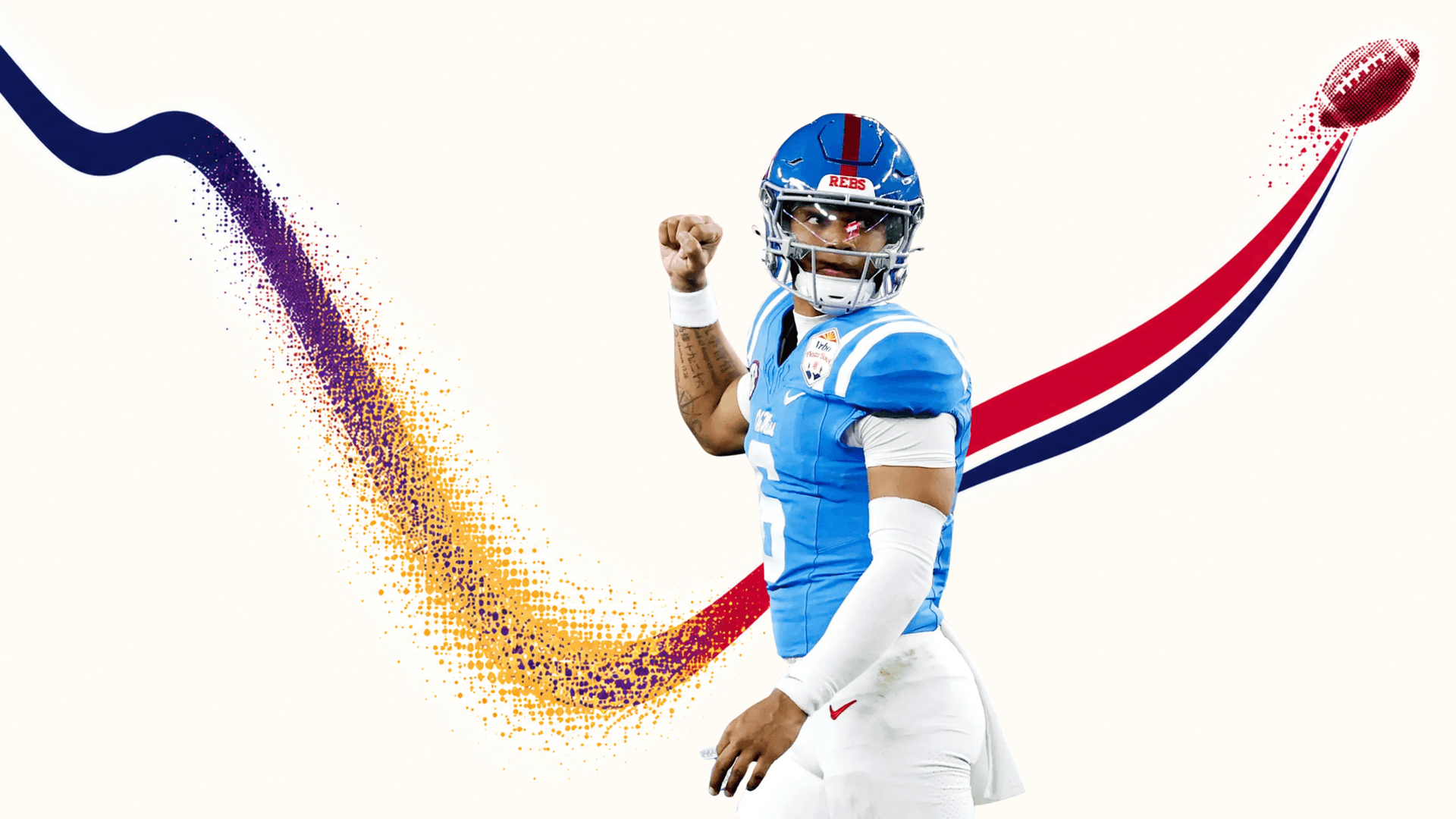
Trinidad Chambliss Spoils Lane Kiffin's Homecoming as No. 8 Ole Miss Holds Off No. 7 LSU 32-24
Trinidad Chambliss Spoils Lane Kiffin's Homecoming as No. 8 Ole Miss Holds Off No. 7 LSU 32-24
Keep Reading
Never Miss The Next Alert
Real-time college football news, NIL moves, and recruiting intel — delivered the moment it breaks.
Keep Reading
Never Miss The Next Alert
Real-time college football news, NIL moves, and recruiting intel — delivered the moment it breaks.
Coast To Coast
Trusted By Programs Across The Country


Coast To Coast
Trusted By Programs Across The Country

